#YoureHired: Navigating the role of Social Media in Recruitment
Previously, we’ve talked about the importance of networking and technology in general to help enhance the recruitment experience for employees and employers but now we are going to specifically focus on social media. In the modern ‘online’ world the way we work has been transformed by social media, but is it all positive?
We examine the role of social media in modern recruitment and take a look at how it can have a positive and negative impact on the world of recruitment.
I would imagine the first thing that you think of when it comes to the use of social media is that it has the ability to assist you with finding talent outside of the traditional geographic boundaries. I recall a time where a key component of our searches was distance versus commute time and although it can still be important, with the likes of LinkedIn, your audience, is all of a sudden, national, global and in this post COVID world, remote working is on the rise, therefore, the reach is limitless and can attract people from all walks of life. However, even though it is opening up a new pool of skill and diversity, you could also be limiting yourself to maintaining that virtual approach to culture. Not necessarily a bad thing, just something that companies now have to consider when looking for the right person, they may no longer be on their doorstep and therefore, the reality of face to face time in an office could be limited.
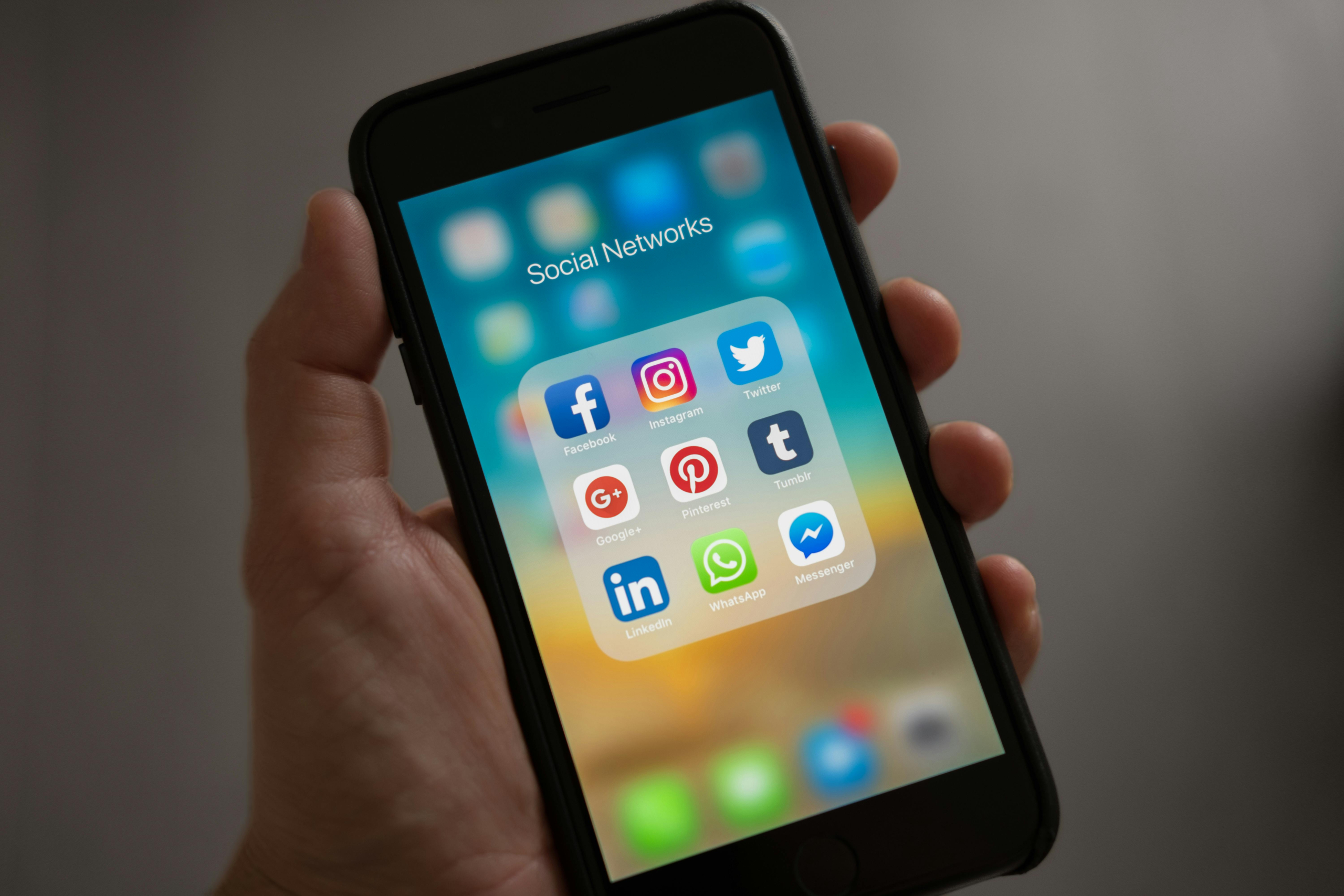
Furthermore, the use of the social media such as LinkedIn, Facebook and Instagram have become paramount in showcasing your company. It enables you to put your company views, culture and values on display. By engaging and sharing you can attract the right people that would want to work with you. You are able to engage with active job seekers and hiring managers but also passive candidates and clients in a non-intrusive way! And by covering all bases and platforms, you are ensuring that you are reaching all demographics.
It is well known that professional networks such as LinkedIn include sophisticated algorithms and search filters to aid recruiters in locating applicants who meet their desired qualifications, experiences, and skill sets. Recruiters may ensure that job posts are seen by the most qualified individuals by using sponsored marketing to target particular industries, regions, or demographics. The time saved here can be very important and key elsewhere in the recruitment process.
Using social media for your recruitment has the potential to be more cost-effective than traditional means of hiring because it can result in free organic reach and less job posting expenses. Social media’s ability to engage with prospects quickly and effectively can cut down on both the hiring process’s duration and related expenses. It also allows an almost “live” connectivity which can improve communication overall.
Another big positive that comes from using social media, is that people can join communities, associate with people that share the same interests, and engage to receive/ give insights or advice on particular matters. It is a fantastic way to increase your presence and keep your name out there. Access to a wealth of information, resources, and educational content is facilitated by social media, allowing for ongoing learning and skill enhancement.
So, with everything online nowadays – what are the down sides?
One of the obvious pits, is the lack of privacy. Some individuals choose to share more than others. With LinkedIn working as a live CV and employment history, to Facebook and Instagram offering a glimpse into a candidates social behaviour and interests, the boundaries could become blurred. It could also create a negative experience if a candidate feels that their social media is being scrutinised. This needs to be managed by the recruiter, processes and strategies need to be put in place to ensure that the hiring process remains respectful and fair and any risks are mitigated. All use of social media needs to be ethically sound and within legal parameters to avoid discrimination.
It is imperative for recruiters to understand ethical considerations and privacy rules to avoid misusing personal information obtained from social media. Examining candidates’ social media profiles carries the possibility of unconscious bias, which can affect impartial hiring procedures. Unconscious bias refers to automatic impressions that can influence decision making. The impact that it can have on the hiring process is not only the obvious legal and ethical issues but can include, reduced diversity in the candidate pool, loss of talent resulting in missed opportunities, and damage to employee morale.
The amount of information that is available on social media, for some people, can be overwhelming and in some cases inaccurate. Information could be outdated, exaggerated or outright false. This can make it difficult to sieve through what is relevant and true and can essentially mean that some important things are missed. It shouldn’t be a replacement for the qualifying step in the recruitment process.
In summary, social media clearly has a lot to offer, but there are drawbacks as well! Recruiters need to be careful to maintain professionalism at all times to make sure they are complicit with employment and privacy legalisation. Furthermore, if social media is overused, it’s possible to ignore extremely qualified individuals who are not on any online platforms, but overall it is hard to ignore such a powerful tool and it’s impact on recruitment.